

Understand realities and aspiration
Many efforts on youth employment start by looking for solutions. Which sectors are growing? Which skills are needed? Where are the jobs?
Those questions matter. Seed begins a little earlier by asking young people what work already looks like in their lives and what they want it to become.
Listen to the person and the reality
The conversation needs to hold two things at the same time.
One is personal. What matters to you? What are you good at? What do you want to contribute? What kind of future are you trying to build?
The other is practical. How do you earn now? What makes that work uncertain? What keeps you from progressing? Which opportunities can you see, and which ones remain out of reach?
Holding both matters. Fulfilment without income can become abstract. Income without dignity or choice tells only part of the story.
Start with a proposition, not a definition
Our starting idea is that fulfilling work provides income and dignity while giving someone some room to grow and contribute.
We do not expect young people simply to agree. Their experience should test that idea. They may change it, add to it or tell us it does not make sense in the way we have framed it.
That is part of the purpose of Seed.
Listen in different ways
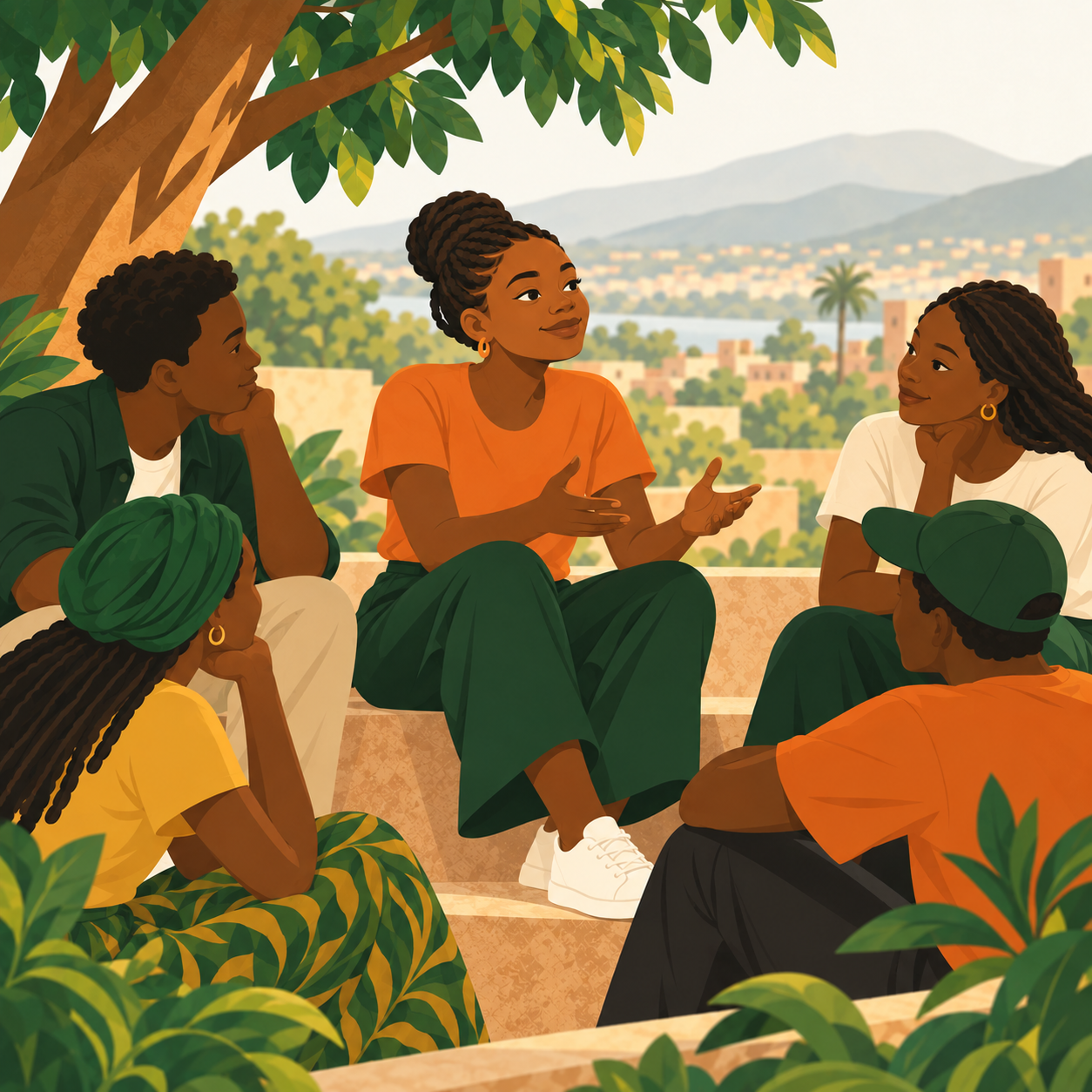
There will be no single standard format. A first-cohort member may speak with someone individually, convene a small group, use media to open a discussion or explore the questions through an existing community initiative.
Different routes matter because different people feel comfortable in different spaces. A formal application form will reach some young people. A conversation through someone they already trust may reach others.
We want to learn from both.
Notice what already exists
Listening is also about discovering what young people and communities are already doing.
Someone may already be bringing peers together. A small business may be creating work in a way others could learn from. A community group may have found its own response to a local barrier.
The initiative should not assume that good ideas begin with us.
Part of Seed is learning to see what is already there.
Let participation emerge
Some conversations will end there, and that is fine.
Others may lead somewhere further. Someone may want to bring friends together, stay connected, share an initiative or explore a question in more depth.
We do not need to decide all those routes in advance. Seed can help us learn not only what matters, but also how young people themselves want to remain involved.
When Seed has done its job
Seed is not successful because we have collected a large amount of data. It has done its job when our understanding is better than it was at the beginning, including where our assumptions were wrong.
If the conversations don't point to anything useful, we should be willing to say so. The point of listening is that the answer can still change.
