

Learn, connect and begin to lead
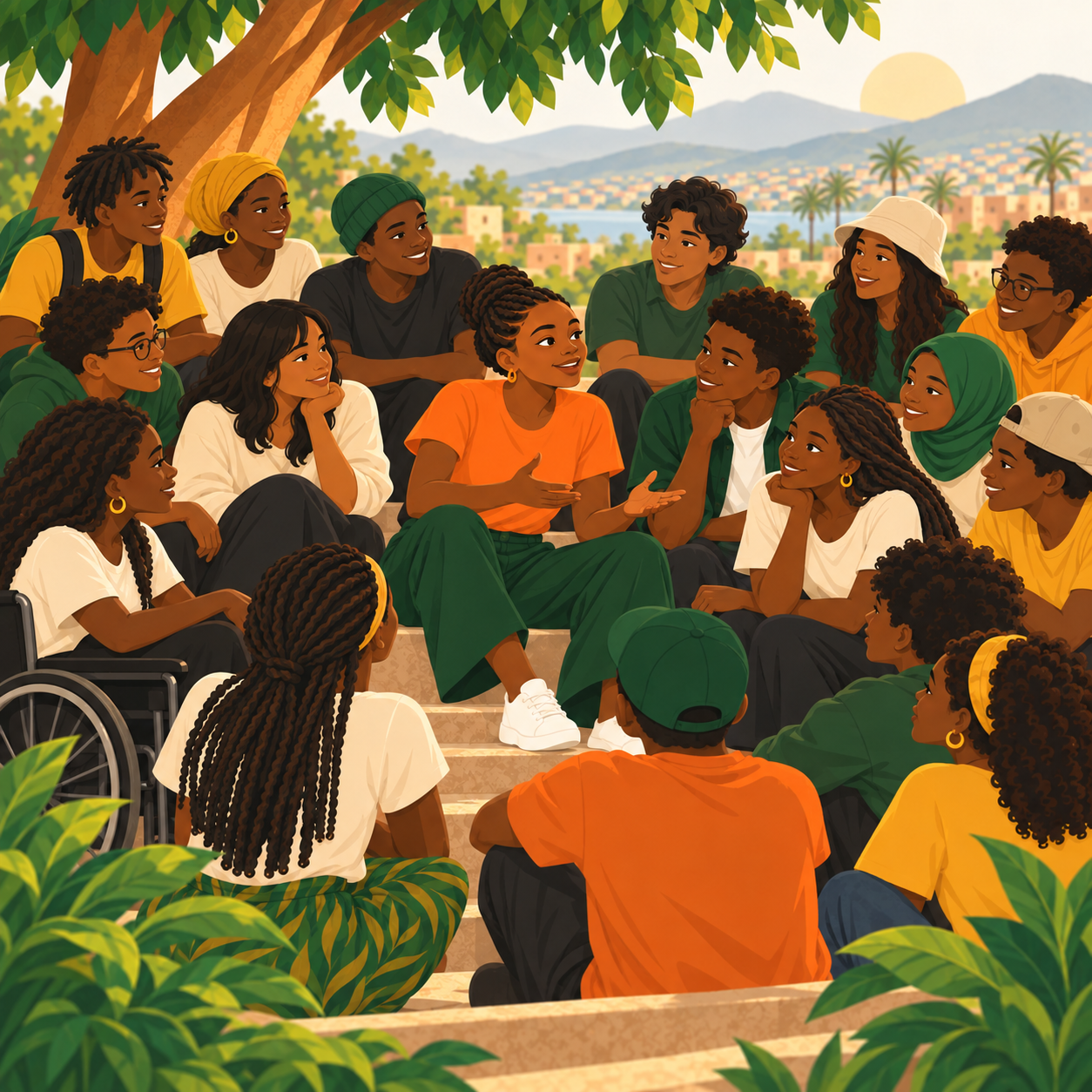
A useful conversation should not disappear when people leave the room.
If Seed helps someone see something differently about themselves, their work or the possibilities around them, Community asks what happens when that learning begins to move between people.
This is also where Fulfilling Jobs for Peace should become less dependent on those who started it.
From conversation to connection
Some young people may want to continue after a first conversation. They may bring others together, look for a mentor, follow up on an idea or connect with someone facing a similar question.
Those relationships are the beginning of Community.
We do not need everyone to take the same role. One person may enjoy convening groups. Another may prefer supporting a few peers. Someone else may contribute through media, business, community action or practical knowledge.
There should be room for those differences.
Reflection still matters
Community should not become activity for activity’s sake. Young people may need space to think about their values, abilities and aspirations as they encounter new options. Mentors and peers may help them question assumptions or see a strength that has gone unnoticed.
A structured learning experience may eventually be useful. It could happen in person, online or through a mix of formats.
We should not decide the format before the listening tells us what people actually need.
Exposure can open possibilities
Sometimes a person cannot imagine a path because they have never seen it. Meeting someone working in an unfamiliar field, visiting a workplace, hearing how a business began or discovering how another community responded to a problem can widen what feels possible.
Exposure does not mean presenting successful people as models to copy. Its value lies in showing that there are more ways forward than the ones someone already knows.
Learning should have room to become action
Reflection and connection matter more when people can try something. That action does not need to be a formal community project.
Someone might test a small business idea, convene peers, create useful content, try a different way of using a skill or address a problem they have noticed locally.
What matters is the chance to try, learn and adapt.
Support without taking over
Adults and experienced professionals can have a useful role. They may mentor, share knowledge, open doors or connect people to opportunities.
Their value should be judged partly by whether young people become more able to act without them.
Community grows when young people stop waiting for the founding group to organise every conversation, make every connection, or decide what happens next.
